
Camping offers numerous psychological benefits and is a wonderful way to immerse yourself in nature. However, the key to a successful camping experience lies in choosing the right equipment. Whether you’re a novice camper or an experienced outdoor enthusiast, understanding the essential camping gear you need is crucial. In this article, we will explore the importance of camping equipment and highlight the best gear for your outdoor adventures.
The Importance of Camping Equipment
Camping involves more than just stepping into the wilderness; it’s about being prepared for the unpredictable elements of nature. The right gear ensures safety, comfort, and enhances your overall outdoor experience. Having the proper equipment can significantly impact the quality of your time in nature, providing both physical and psychological benefits.
1. Tent
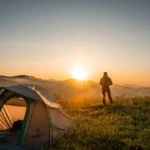
The most fundamental piece of camping equipment is the tent. A tent provides shelter from the elements—whether it’s rain, wind, or intense sun—and gives you a secure place to sleep. When choosing a tent, consider factors like durability, size, ease of setup, and weather resistance. Materials should be waterproof to keep you dry, and proper ventilation should be included to prevent condensation buildup.
The right tent offers protection not only from the weather but also from wildlife, ensuring that you feel secure during your camping experience. It also adds a sense of comfort and privacy, crucial for a restful night in nature.
2. Sleeping Bag and Sleeping Pad
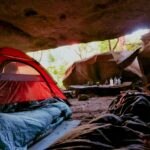
A good night’s sleep is essential when camping. A sleeping bag is one of the most important pieces of camping gear, as it keeps you warm and comfortable during the night. When selecting a sleeping bag, consider the temperature rating and material, as it should suit the weather conditions you’ll face.
A sleeping pad is equally important. It provides insulation from the cold ground and offers additional comfort. A well-chosen sleeping pad helps prevent backaches and allows for a more restful sleep.

3. Camp Stove and Cooking Gear
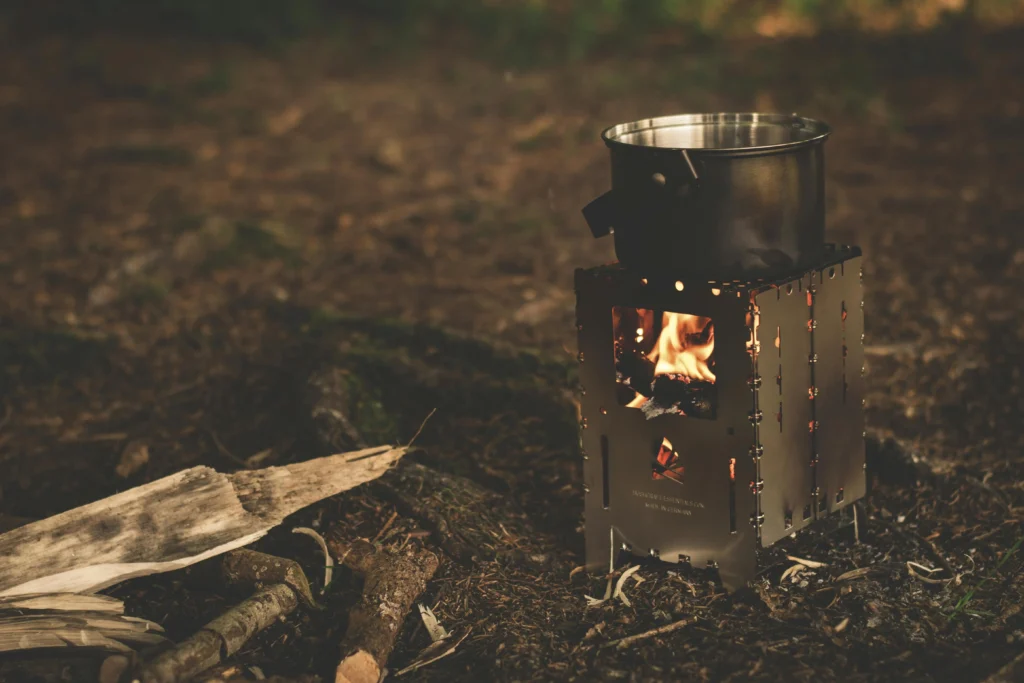
Cooking in the wild can be one of the most enjoyable aspects of camping, but it requires the right gear. A portable camp stove allows you to prepare meals efficiently, and modern camping stoves are designed to be lightweight and easy to use. Gas-powered or alcohol-based stoves are great options for outdoor cooking.
Additionally, having the proper kitchen equipment—such as lightweight pots, pans, plates, and cutlery—is essential for preparing and enjoying your meals in the outdoors. Water filters or purification systems are also necessary for ensuring that you have safe drinking water while camping.

4. Lanterns and Lighting
Camping at night requires proper lighting to ensure you can navigate safely and make the most of your camping experience. LED lanterns are popular due to their efficiency, long battery life, and portability. They provide ample light for cooking, setting up your tent, or reading in your tent at night. Flashlights and headlamps are also practical for navigating around camp or on nighttime hikes.
Solar-powered lights are an eco-friendly option and can provide illumination without relying on batteries.
5. Portable Power and Charging Devices
Even in nature, many campers rely on electronic devices such as GPS, phones, or cameras. A portable power bank is crucial for keeping your devices charged. Solar-powered chargers are a great option to stay connected while minimizing your environmental impact. These chargers work even in remote locations and are ideal for campers who spend extended periods outdoors.

6. Clothing and Footwear
Proper clothing is essential for staying comfortable during your camping trip. Layered clothing systems are the best way to handle changing weather conditions. A good quality rain jacket, thermal underwear for cold weather, and breathable clothing for warmer days are essential for comfort.
Footwear is also vital. Sturdy hiking boots offer support for long treks, while camp shoes or sandals provide comfort around the campsite. For extended trips, consider waterproof footwear to protect against wet conditions.
7. First Aid Kit
A first aid kit is an essential item for any camping trip. It’s important to be prepared for minor injuries, cuts, or other emergencies. A well-stocked first aid kit should include bandages, antiseptic wipes, pain relievers, insect repellent, and any personal medications you may need. It’s also a good idea to have a guide on how to handle basic medical situations.

8. Waterproof Bags and Storage
Keeping your belongings dry and secure is crucial when camping. Waterproof bags, dry sacks, and storage containers are vital for protecting your equipment from rain or moisture. These bags are perfect for keeping electronics, clothing, and food dry and safe from the elements. Waterproof boots, jackets, and pants are also useful for protecting yourself from unexpected rain showers.
Psychological Benefits of Camping Equipment
Beyond the practical benefits, camping and the right equipment provide significant psychological advantages. Spending time outdoors has been proven to reduce stress, improve mood, and boost overall mental well-being. When equipped with the right gear, campers can enjoy nature’s therapeutic qualities without worrying about discomfort or safety.
Nature has a calming effect on the mind, helping individuals reconnect with themselves and escape from the pressures of everyday life. Camping provides a mental reset by allowing people to disconnect from technology and focus on the present moment. The physical activities associated with camping, such as hiking, cooking, and setting up camp, provide opportunities to release stress, improve emotional health, and enhance feelings of accomplishment.
The process of setting up camp, cooking meals, and organizing gear fosters a sense of purpose and self-reliance, which can significantly boost confidence and self-esteem. These activities also promote mindfulness, as campers become more attuned to their surroundings.
How to Choose the Right Camping Equipment
Selecting the right equipment is essential for a successful camping experience. Keep the following factors in mind when making your choice:
- Weather Conditions: Consider the climate of the area where you’ll be camping. Choose equipment that suits the temperature and weather, such as sleeping bags with the appropriate insulation for colder climates or breathable tents for warmer regions.
- Durability and Quality: Ensure that the gear you choose is durable and made from high-quality materials. Investing in reliable equipment can save you money in the long run and ensure your safety.
- Portability: Since you’ll likely need to carry your equipment to the campsite, lightweight and compact gear is highly recommended. Look for collapsible, packable, and multifunctional items that won’t weigh you down.
- Personal Needs: Take your personal preferences and needs into account. For instance, some campers may prioritize comfort and opt for larger tents and more luxurious sleeping arrangements, while others may prefer minimalistic, lightweight gear for a more rugged experience.
Conclusion
Camping and the right equipment go hand in hand when it comes to creating an enjoyable and safe outdoor adventure. Having the appropriate gear, such as a quality tent, sleeping bag, cooking equipment, and lighting, allows you to embrace the outdoors with confidence and comfort. Additionally, camping offers numerous psychological benefits, such as stress reduction, emotional healing, and increased well-being, making it an ideal activity for mental relaxation and rejuvenation.
Investing in the right camping gear enhances your connection with nature and ensures that you can enjoy your time outdoors to the fullest. Whether you’re an experienced camper or just starting, preparing with the right equipment is essential for a memorable and rewarding outdoor experience.